Kilroy Was Here

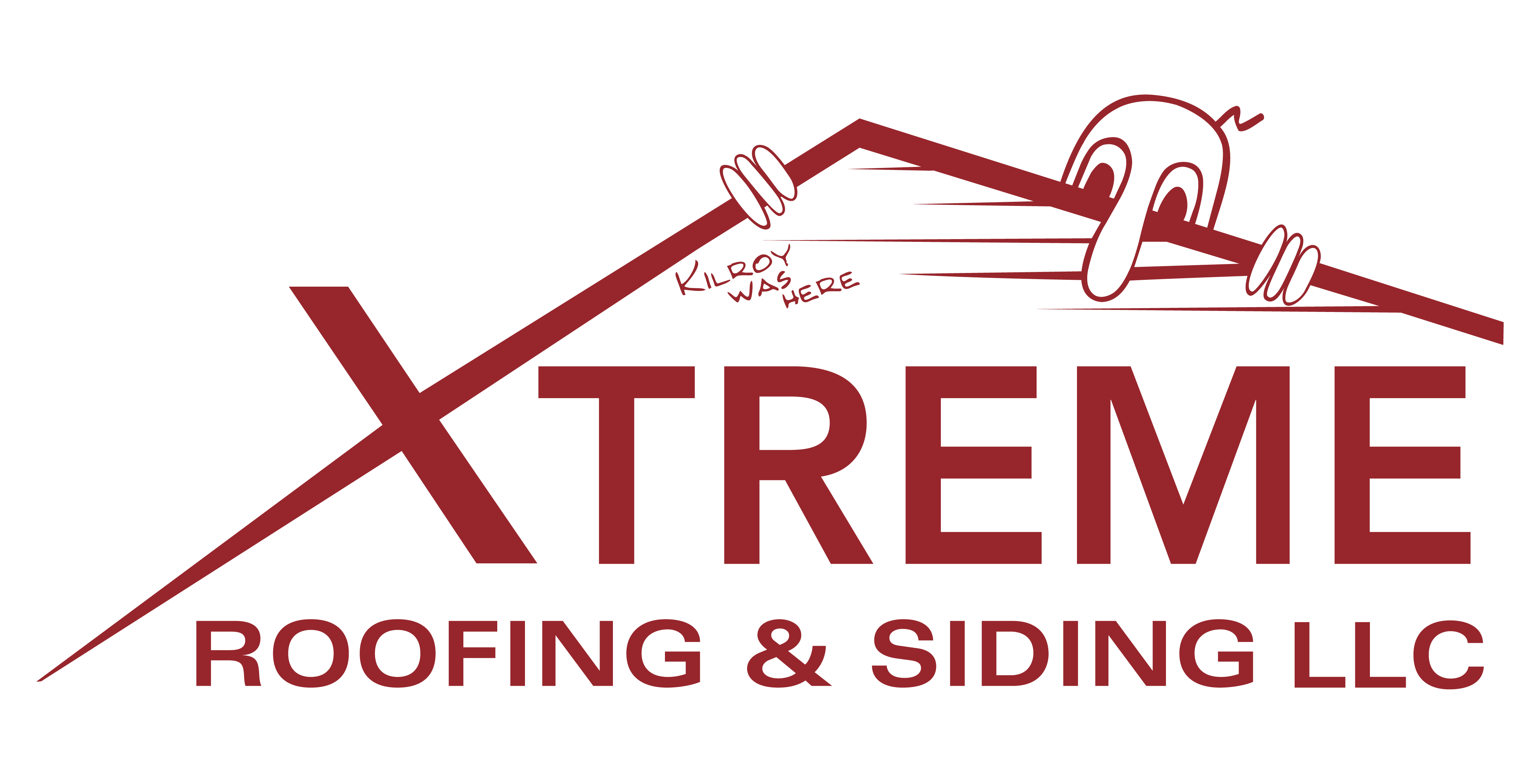
Look closely — Kilroy is peeking over the roofline.
The legendary WWII symbol of American grit — and why it lives inside the Xtreme logo.
The Legend
It wasn't born from a battlefield, but on the floor of a shipyard.
During World War II, the Fore River Shipyard in Quincy, Massachusetts was under pressure to build ships as fast as possible for the war effort. James J. Kilroy was a rivet inspector there, responsible for verifying the work of riveters who were paid by the rivet, a system that invited abuse. Workers would sometimes erase his chalk checkmarks after he left so the next shift's inspector would count the same rivets twice and they'd collect double pay.
Kilroy's fix was blunt and permanent: he started writing "Kilroy Was Here" in large letters next to his mark. The tampering stopped.
What he couldn't have known was what would happen next. His inspections took him deep into the hulls of ships, tight spaces that were sealed over once construction was complete. When servicemen shipped out aboard those vessels, they found his signature in places no one should have been able to reach. The phrase spread. Soldiers and sailors started leaving it everywhere; a running joke, a morale booster, a declaration that an American had been there first.
The drawing came from a different direction entirely. A British cartoon figure, a bald man with a long nose peeking over a wall, known as "Mr. Chad", had already been circulating among Allied troops with its own captions. Somewhere along the way, GIs merged the two. Chad's image became Kilroy's face. The phrase and the drawing locked together and went everywhere the war went, foxholes across Europe, the underside of bridges in the Pacific, the Arc de Triomphe in Paris, and, according to legend, inside a portable toilet reserved for Churchill, Roosevelt, and Stalin at Potsdam.
James J. Kilroy is today formally recognized as the most credible originator of the phrase, honored with Kilroy Square in Quincy, Massachusetts.
What It Means
The mark was never about ego. It was about accountability. Kilroy signed his work in places no one would ever see. Not for recognition, but because the job demanded it. The ships had to be right. Lives depended on it.
That detail matters. "Kilroy Was Here" didn't spread because it was funny. It spread because servicemen found it in impossible places and understood instinctively what it meant: someone had been here, done the work, done it right, and moved on without waiting for applause.
That's a different kind of pride, the kind that doesn't need an audience.
How Kilroy Became Part of the Xtreme Logo
Darrin, the co-founder of Xtreme Roofing & Siding, grew up listening to his mother talk about her two brothers who served in World War II. As a kid in Iowa, he looked up to them and to the generation of veterans they represented. That early respect grew into a genuine and lasting interest in the history of the Second World War. The battles, the sacrifice, and the stories that most people never hear.
One of those stories was James J. Kilroy. A rivet inspector from Massachusetts who crawled into the dark spaces of warships and signed his work where no one would ever look, not for credit, but because the standard demanded it.
That story landed differently for Darrin than it might for someone else. He'd spent his career building a company on the same premise: do the work right whether anyone is watching or not. When a crew finishes a roof, they're not thinking about who's looking. They're thinking about whether it'll hold. Whether the family inside can stop worrying about it.
When the Xtreme brand came together, Kilroy belonged in it.
Most people will never notice it. But for those who do -- it's there on purpose. A quiet reminder that Xtreme was here, did the work, and did it right. That's not marketing. That's just who the Xtreme Team is.
Just like Kilroy.
Want to go deeper on the history?
Read the full history on WikipediaNow that you've found the easter egg — let's talk about your roof.
Get a Free Quote